Healthy Coping Skills, Regulation, and Repair

Self-regulation, healthy coping skills, and the ability to repair after moments of disconnection are key for our mental and emotional wellbeing as well as for safe and effective communication in our families and relationships. These skills are something many of us struggle with, both as children and adults. These struggles are often intensified when combined with the complexity of trauma. The good news is- these skills can be improved with practice!
Jump ahead to the topic you need assistance with!
Naming, understanding, managing, and responding safely to our emotions are all components of emotional regulation. Prioritizing emotional regulation is crucial for caregivers as it helps to establish a safe and calm home environment, improve the relationship, communication, and trust between themselves and their children, and model the safe handling of emotions so their children can learn these skills through their example.

As caregivers, there is a long and varied list of what may cause overstimulation and lead to a state of emotional dysregulation. Sleep deprivation, lack of alone time, being “touched out,” a noisy or messy household, balancing work and home life, the news, teething, hormones… Big and challenging emotions are going to happen- and that’s okay! The goal isn’t to stop these emotions from happening or feel shame that these emotions exist within us, but to nurture the skills to manage, cope, and respond to them in a manner that’s safe and appropriate for you and your family. These important skills help us ‘keep our cool’ by giving us the ability to pause before we impulsively react, allowing us to instead respond more thoughtfully.
Below are some phrases that may be helpful for anyone, but particularly for caregivers, to communicate safely when they’re overwhelmed and need to regulate themselves.







“Parent self-regulation isn’t just about staying calm during challenging moments; it’s about creating the emotional foundation that allows children to develop their own regulation skills,” says Dr. Layne Raskin, PsyD. “Children’s nervous systems are wired to pick up on their caregivers’ emotional states, and they use this information to gauge whether the world feels safe or threatening.”
Be mindful of your reactions. Spills can be wiped. Plates can be replaced. Glass can be swept away. But the words that once broke you as a child can take a lifetime to heal.
The Mama Alliance
Break the cycle,
speak love to your children.

We want children to know it’s okay to feel angry, sad, or overwhelmed, but we want them to have resources on how to regulate those tough emotions and express them in a way that’s safe for everyone.
Through helping our children manage their emotions, or co-regulation, we are giving them the building blocks to develop the ability to self-regulate. This is a gradual process done through repetition, support, and safety.
Below are six phrases from School Counselor Amy Miller, MS that you can use to help your child calm their body down, acknowledge and identify their emotions, and reinforce that they are safe and in charge of the choices they make even when they have big emotions.
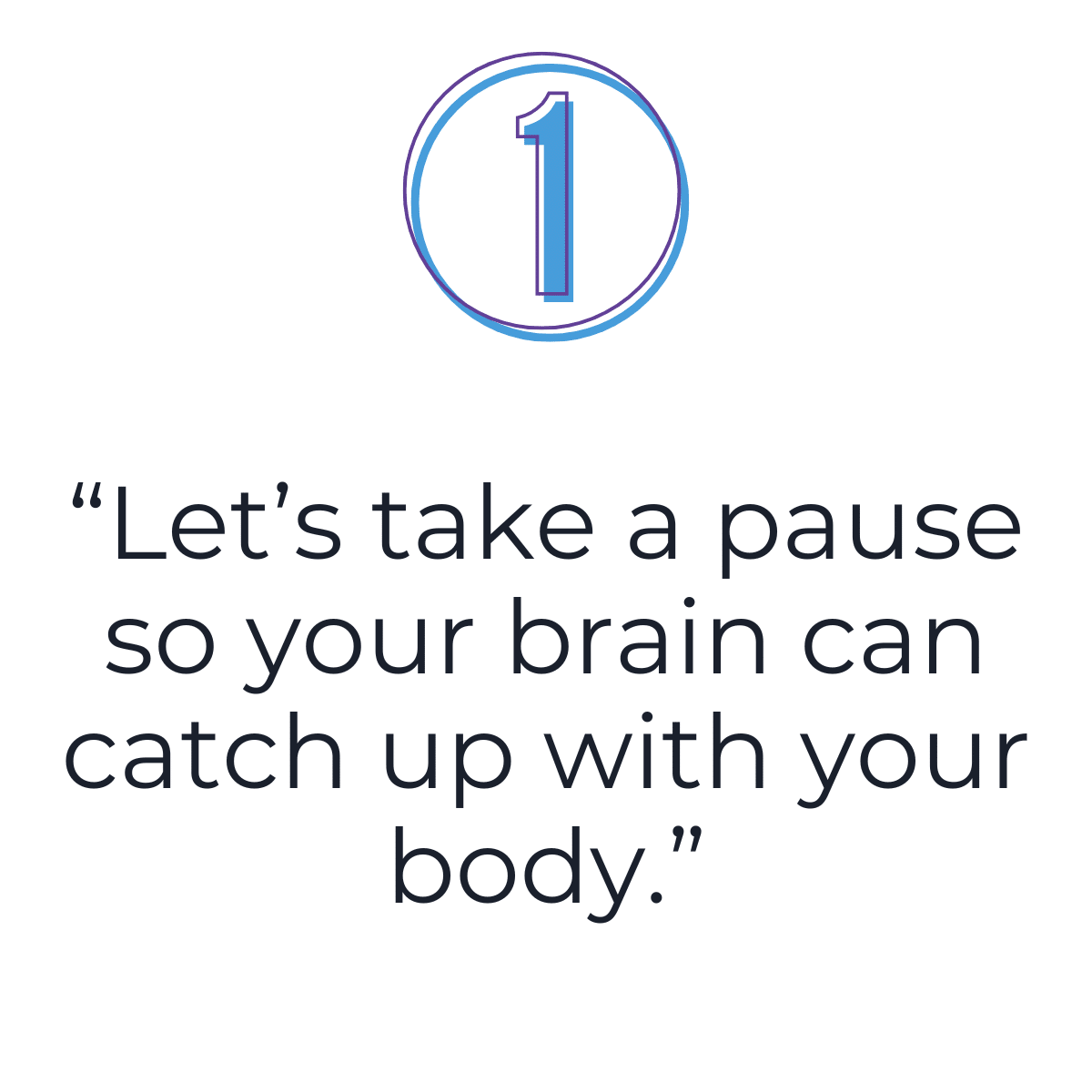
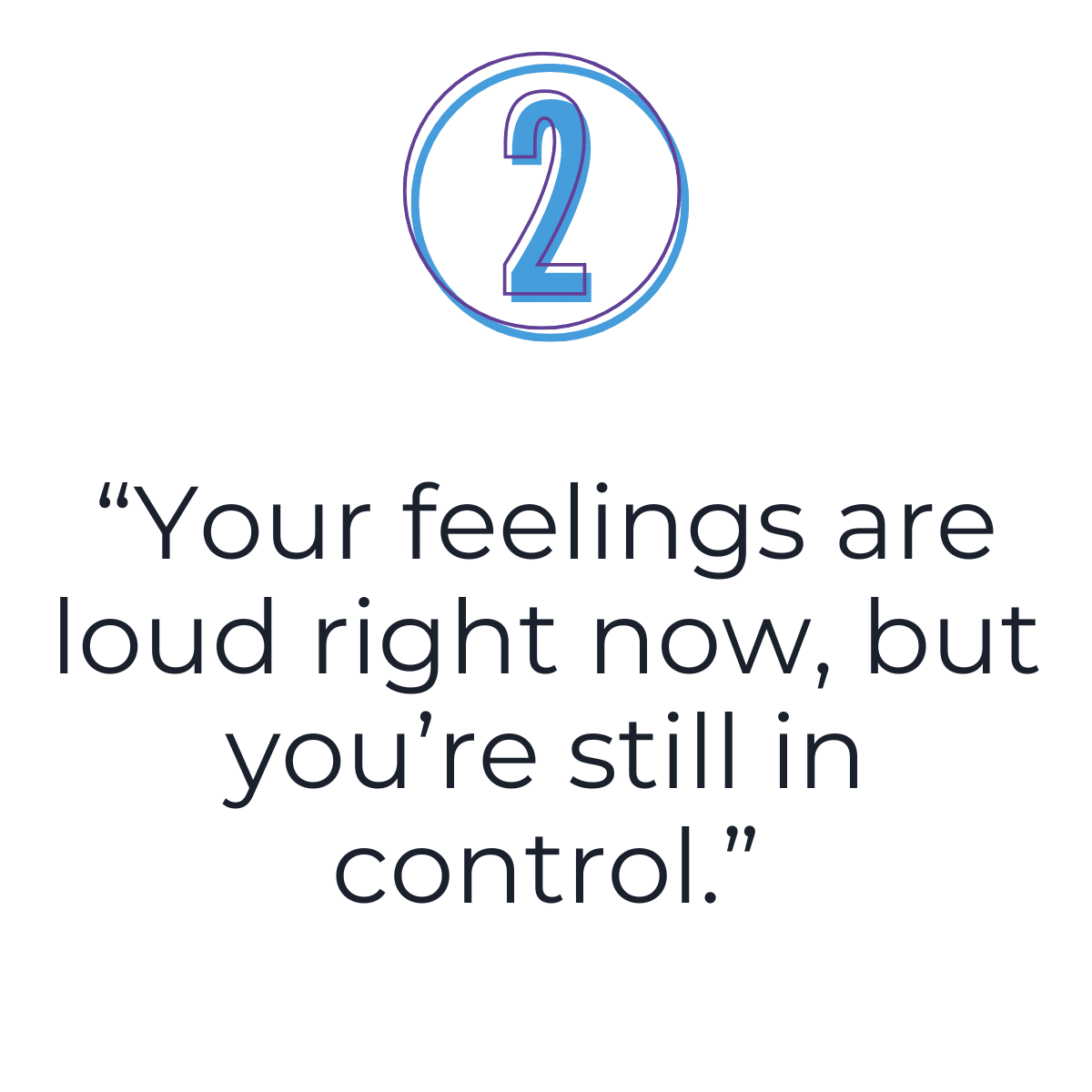
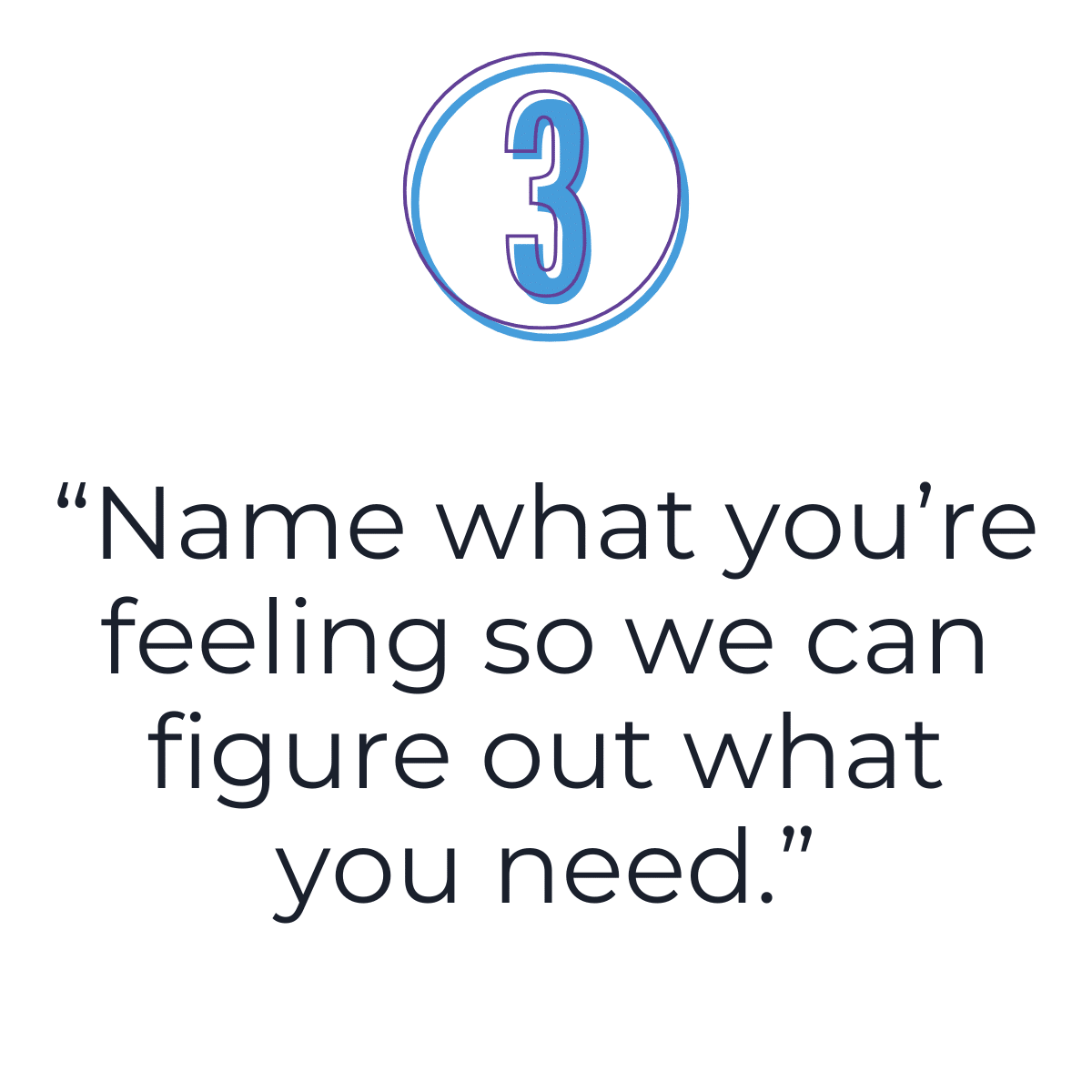
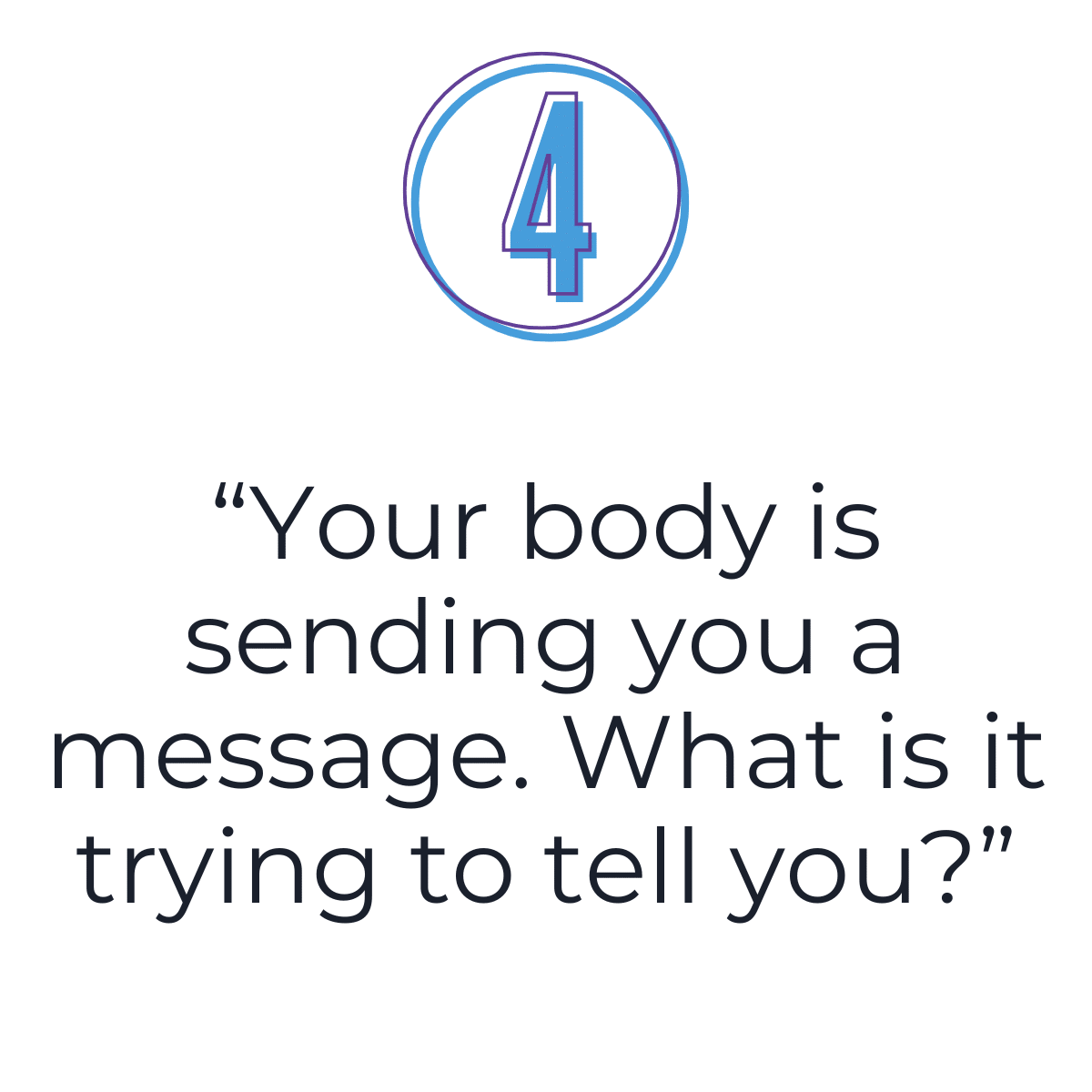
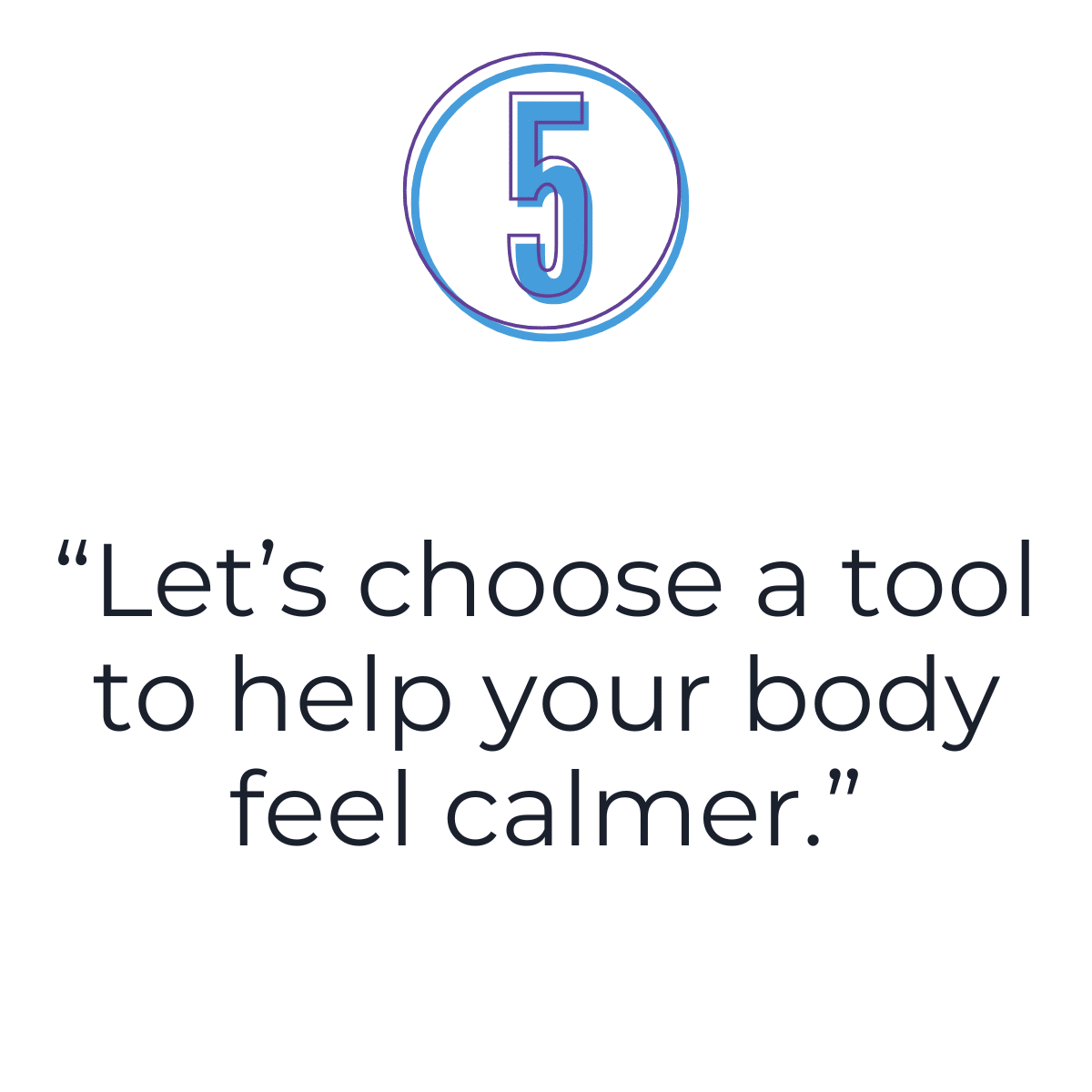
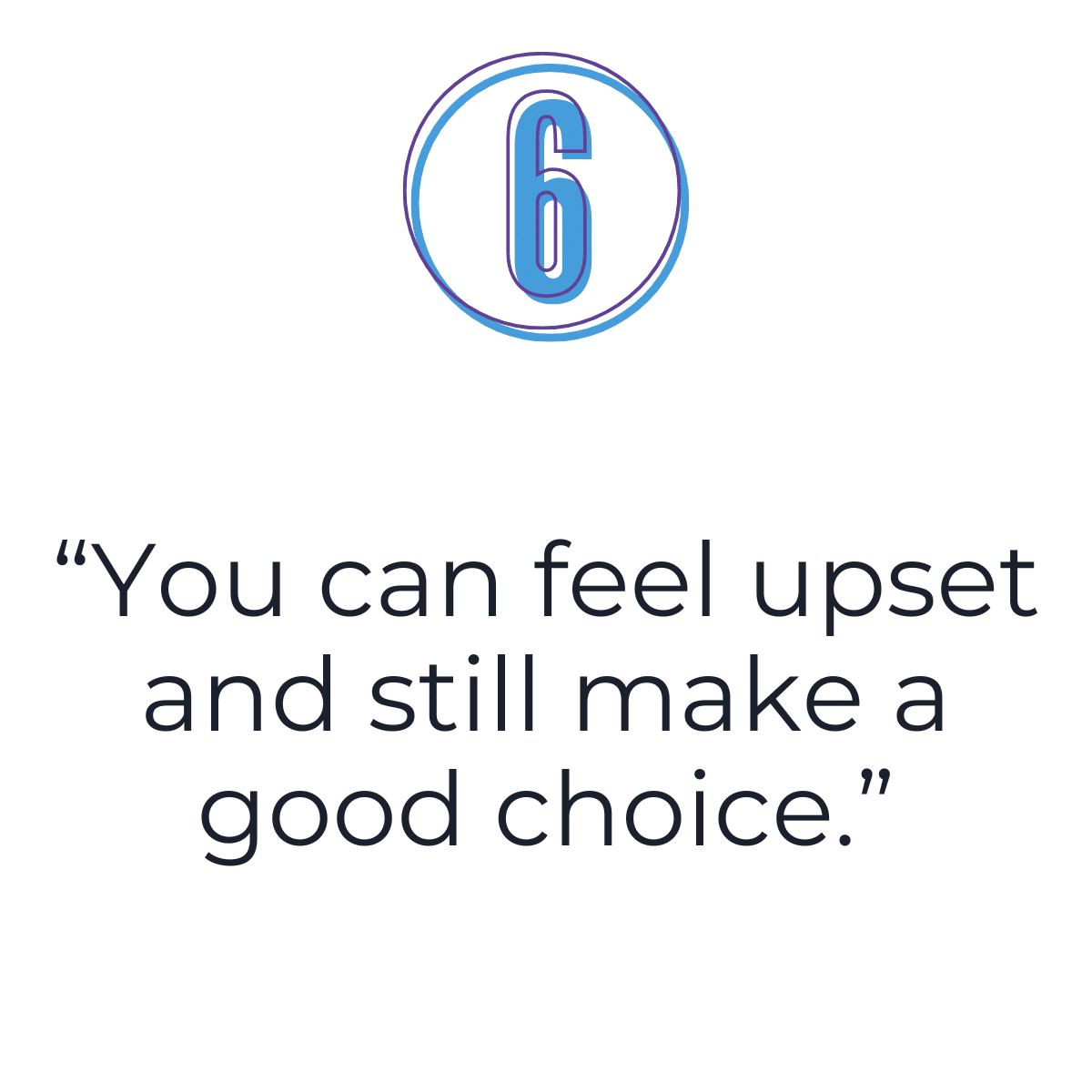
These trauma‑informed responses can help your child during challenging moments. The goal is not perfection, but increased awareness, regulation, and connection.

Regulate Yourself
Before responding to your child, pause and check in with yourself.
- What am I feeling right now?
- What does my body need in this moment (deep breath, slower tone, step back)?

Empathize and Validate
Acknowledge your child’s feelings without judgement or correction.
- “I can see you’re really upset.”
- “That makes sense given what you’ve gone through.”

Stay Curious
Ask open ended, non-accusatory questions (when your child is calm enough).
- “Can you help me understand what happened?”
- “What were you feeling before this?”

Provide Choice
Offer limited, appropriate choices to increase a sense of control.
- “Do you want to talk now or take a break first?”
- “Would you rather sit here or would you like to go to your room to calm down?”

Offer Support
Communicate safety, presence, and willingness to help.
- “I’m here with you.”
- “We can figure this out together.”

Name Boundaries Clearly
Set clear limits without threats, shame, or punishment.
- “It’s okay to be angry, but it is not okay to hit.”
- “I understand you’re feeling upset, but we do not call other people names.”

Debrief Later
Process the situation once everyone is calm.
- “What do you think made that so hard?”
- “What can we try next time?”
We are human- mistakes, poorly chosen words, overreactions, and short tempers are going to happen. The important thing to remember is that when we do have a misstep, we are also given an opportunity to repair and reconnect with our children.

“Recognizing your own mistakes and accepting the guilt that goes with knowing you hurt another person? Sitting down face-to-face with the one you hurt and asking their forgiveness? That’s not easy. It’s awkward, messy, and uncomfortable,” says Dr. Steve Silvestro, pediatrician and host of The Child Repair Guide Podcast. “That simple yet simultaneously complicated moment of apologizing to someone you’ve hurt can both strengthen the bond between you and help you grow in your own emotional self-awareness. And when that someone is your child, you stand to grow even closer together and become a better parent in the process.”
Here are some quick examples of authentic apologies to kids:
“I don’t like that I just raised my voice. I’m sorry I yelled- that isn’t okay. Can I try again?”
“I made a mistake. I shouldn’t have assumed you took my briefcase. I’m sorry that I jumped to conclusions instead of asking you calmly.”
“What I did must have scared you. I was having a bad day, and while it’s okay to feel upset, it’s never okay to kick the furniture. I’m sorry I did that. Next time my body feels angry, let’s go outside and kick a soccer ball around. Does that sound good?”
“I want to say I’m sorry. I was trying to teach you something but I said it all wrong- sometimes things sound better in our heads than they do when we actually say them. You are an awesome kid and I’m so lucky to be your dad.”
“That’s not how I want to talk to you and I’m sorry. Next time I’ll take a few deep breaths and find a calmer way to express myself.”
“I shouldn’t have blamed you when your plate fell and broke. I’m sorry. I have accidents, too, and that’s okay! Would you like a hug?”
“I’m sorry I overreacted and lost my temper. I should have handled that better. Would you like to share a snack at the park and chat with me for a while?”
“I’ve been thinking about our conversation yesterday. I want to say I’m sorry for the things I said and how I spoke to you. You don’t deserve that.“
“I’m sorry I didn’t listen to you earlier. You are really excited about your class project and I’m glad you want to tell me about it. I’d love to talk about it more and help you with your questions after dinner tonight if you’d still like to.”
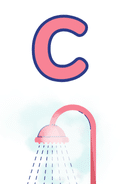
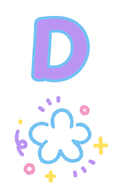
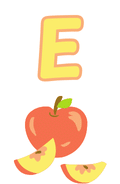
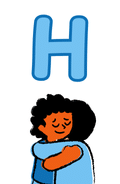
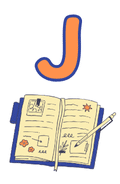
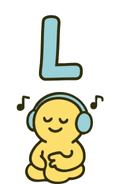
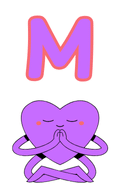
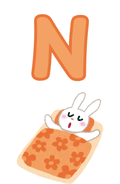
This ABC chart shows examples of safe actions you or your child can take to manage stress and difficult emotions.









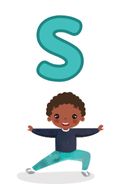


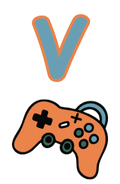

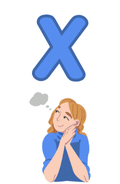

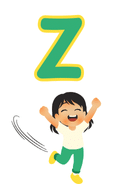
Try this grounding technique the next time you’re feeling anxious.

Below is a virtual library of videos with both adult and child-focused examples of emotional regulation tools, coping skills, grounding exercises, breathing techniques, and anger management strategies.
Helpguide.org empowers you with the knowledge and skills you need to strengthen your mental health & well-being. The website features content created exclusively with Harvard Health. Each month, millions of people from all around the world turn to HelpGuide.org for trustworthy information they can use to improve their mental health and make healthy changes.
Mindscape: Helping Young Minds Thrive is a Harvard Health Publishing resource. Using an explorative and positive approach, Mindscape provides accessible, actionable information for:
- Young people who are either struggling with mental health challenges or looking to learn about or improve mental wellness, and
- Parents and caregivers who are looking to support young people on their mental wellness journey while also getting support for themselves.
The site offers practical information and helpful tips, as well as validation and hope for young people and their caregivers.
Parents Helping Parents (PHP) connects parents with parents in both virtual and community support groups to share challenges, express frustrations, and ask questions. Find the support and feedback you need to help yourself and your children. All services are free, anonymous, confidential, and accessible.
“We believe that good parenting is the fundamental right of every child, and the greatest legacy we can give them.” PHP prevention philosophy is grounded in a self-help model based on the belief that parents are capable of developing their own solutions when given the space, encouragement, and community resources that they need. Thus, it is the parents themselves who decide the direction a conversation will take during a Parent Support Group meeting or call to our Parent Stress Line.
Please note that the Child Protection Center does not own, have influence over, promote, or endorse the content of any organizations, authors, mental health professionals, or other outside contributors of the included materials, and is not responsible for the content within said materials. Individuals are highly encouraged to do their own thorough research before introducing materials to their family to ensure they align with their values. Reading this site or any of the mental health resources included does not establish a therapeutic relationship and is not a replacement for therapy. These resources are provided as a public service and are meant as a starting point for individuals seeking additional support. If you notice any broken links in your browsing, please click here to inform us of the error.