Practicing Personal Safety with Your Child

It’s estimated that awareness and education can prevent over 90% of child abuse. Educating ourselves, our families, and our community is perhaps THE most important thing we can do to make a difference in the fight against child abuse. Learn the stats, familiarize yourself with the signs of abuse, and integrate safe practices into your routine.
Jump ahead to the topic you need assistance with!
Our Personal Safety and Community Awareness Program (PSCA) provides FREE prevention education both online and in person across Sarasota County for children, caregivers, and professionals who work with youth. Over 20 workshops are available, including custom workshops to best fit your needs.
Normalize talking about personal and body safety in your family. Many of us find it tricky or uncomfortable to get those conversations and practices started. Not to worry- we’re here to help!


Talk to your child about personal safety often, just as you would for ‘Stop, Drop, and Roll.’ These are ongoing conversations that will evolve as your child gets older.

Help your child develop appropriate, anatomically correct vocabulary for the parts of their body.

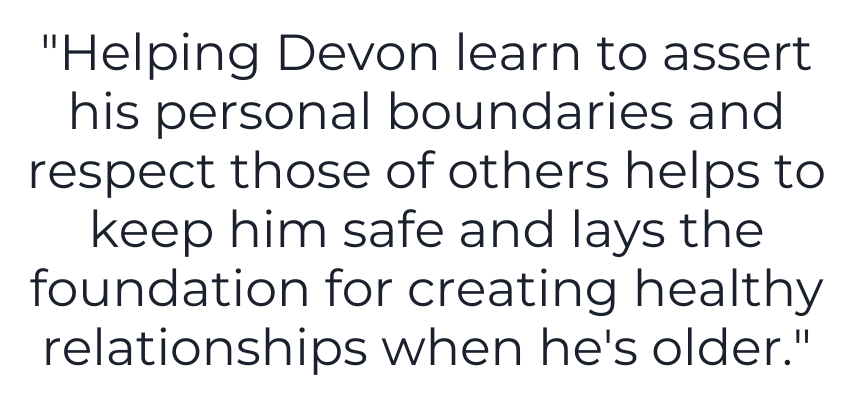
Help your child develop confidence and assertiveness skills. Give your child permission to be ugly and impolite if they are uncomfortable.

Never force your child to hug or kiss anyone, even relatives. Support when they say ‘No.’

Help your child recognize when someone else has set a boundary.

Make sure your child knows they won’t be punished when they tell you a secret or about something that’s happened that made them uncomfortable.

Reduce opportunities for other individuals to be alone with your child. As often as possible, keep after school activities, lessons, family visitations, playdates, and all other interactions in a group setting.

90% of abuse happens with a person the child knows and trusts. Teach your child about ‘tricky people’ and unsafe behavior as opposed to focusing on ‘stranger danger.’ A tricky person might not listen to your boundaries, ask you to keep a secret, or manipulate through rewards or fear. Think of examples of tricky people and behaviors in your child’s favorite media, like the Wizard in Wicked or Plankton in SpongeBob.

Navigating consent with young children can feel overwhelming. Here are a few quick tips on how you can help your child better understand and practice consent, a tremendously important skill that will protect them in childhood and throughout their entire lives.
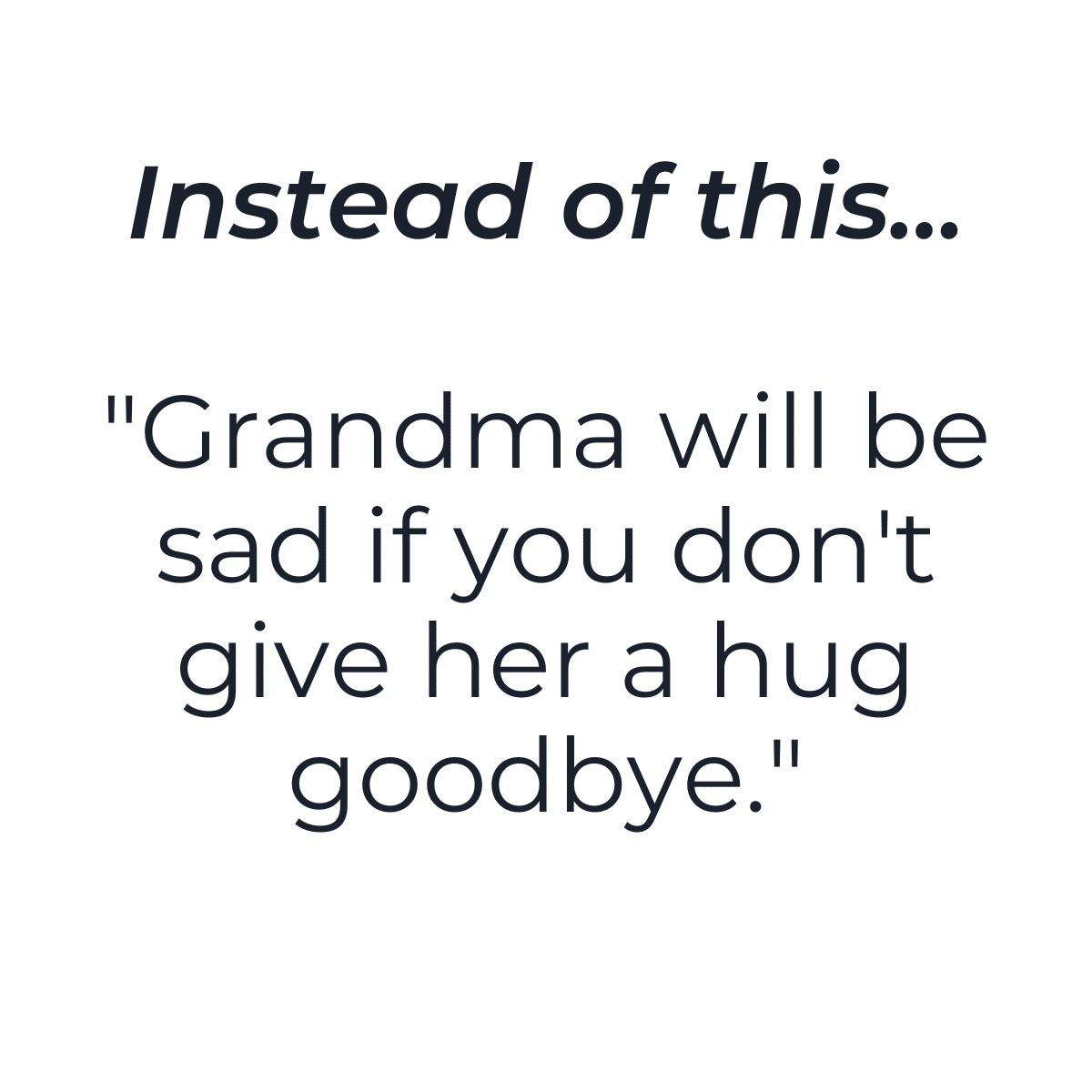

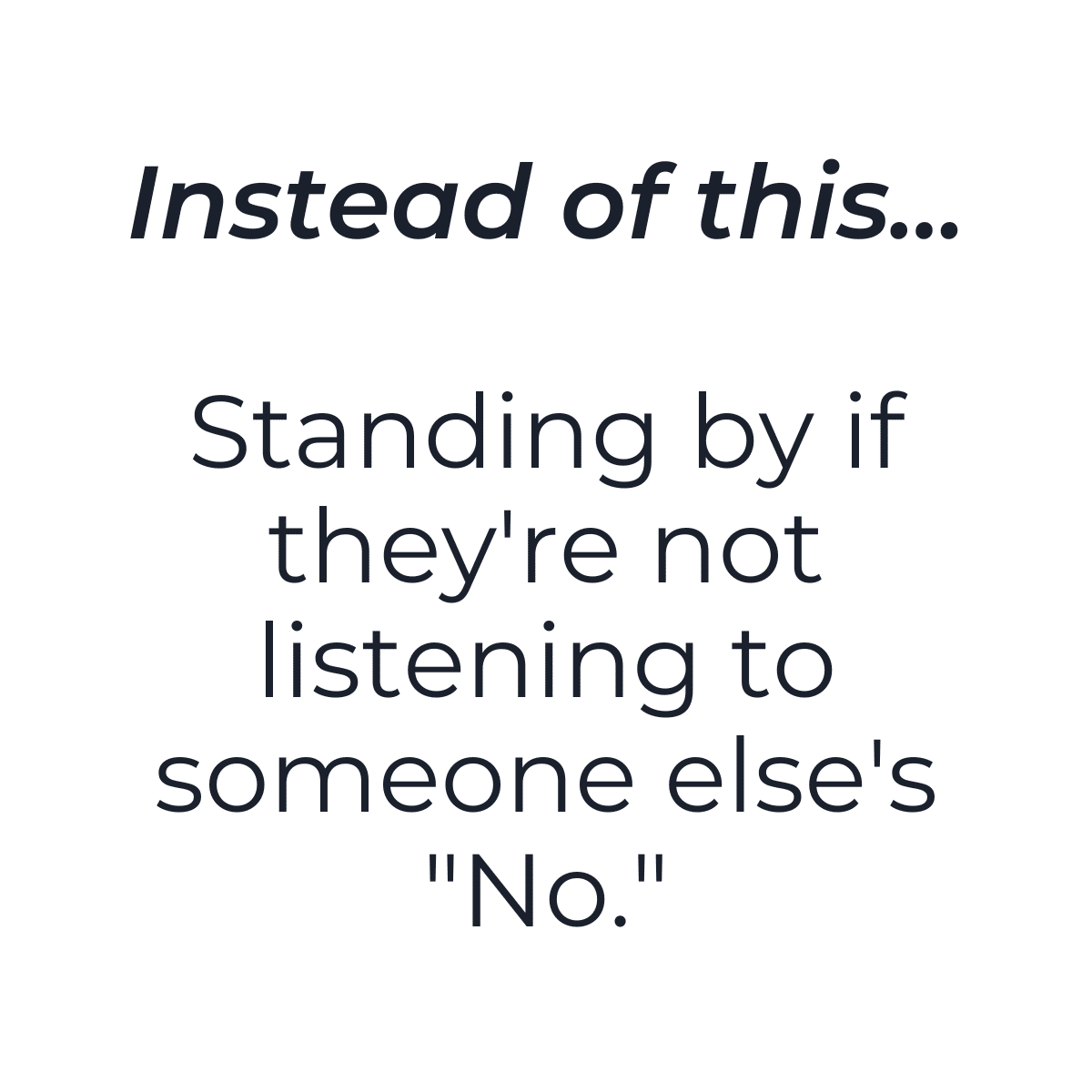


We ALL have the right to be in charge of our own bodies. These skills start in childhood! Allowing children to say no to hugs and kisses and instead choose the greetings or touch they are comfortable with teaches them about consent and body autonomy while empowering them to make choices that keep them safe.

How to advocate for your child with friends and family who insist on hugs, kisses, cuddles, or other physical affection when your child is uncomfortable or says NO.
“Educate your relatives, rather than having your child feel uncomfortable,” advises Marcie Beigel, Ed.D. BCBA-D, of New York City. “It may feel like an uncomfortable conversation but that is better than forcing your child into an uncomfortable physical interaction.”




No one should touch or look at your private body parts EXCEPT to keep you clean and healthy.
Private body parts are the areas of your body that are covered by your bathing suit.

Help your children identify situations when their safe adults are keeping them clean and healthy, such as taking a bath, changing a diaper, or getting a check up at the doctor’s office. Regularly practice “what if” situations to help gage your child’s understanding of safe vs. unsafe touch and giving assertive responses if someone is being unsafe, inappropriate, or tries to break the Touching Rule. Children who vocalize confident and assertive boundaries are more difficult to manipulate and take advantage of in secrecy, making them less likely to be targeted by someone who’s unsafe.
What can your child do if someone crosses these boundaries? They can No-Go-Tell!

“What if” situations you can practice with your child to help them understand when touch or behavior is inappropriate:
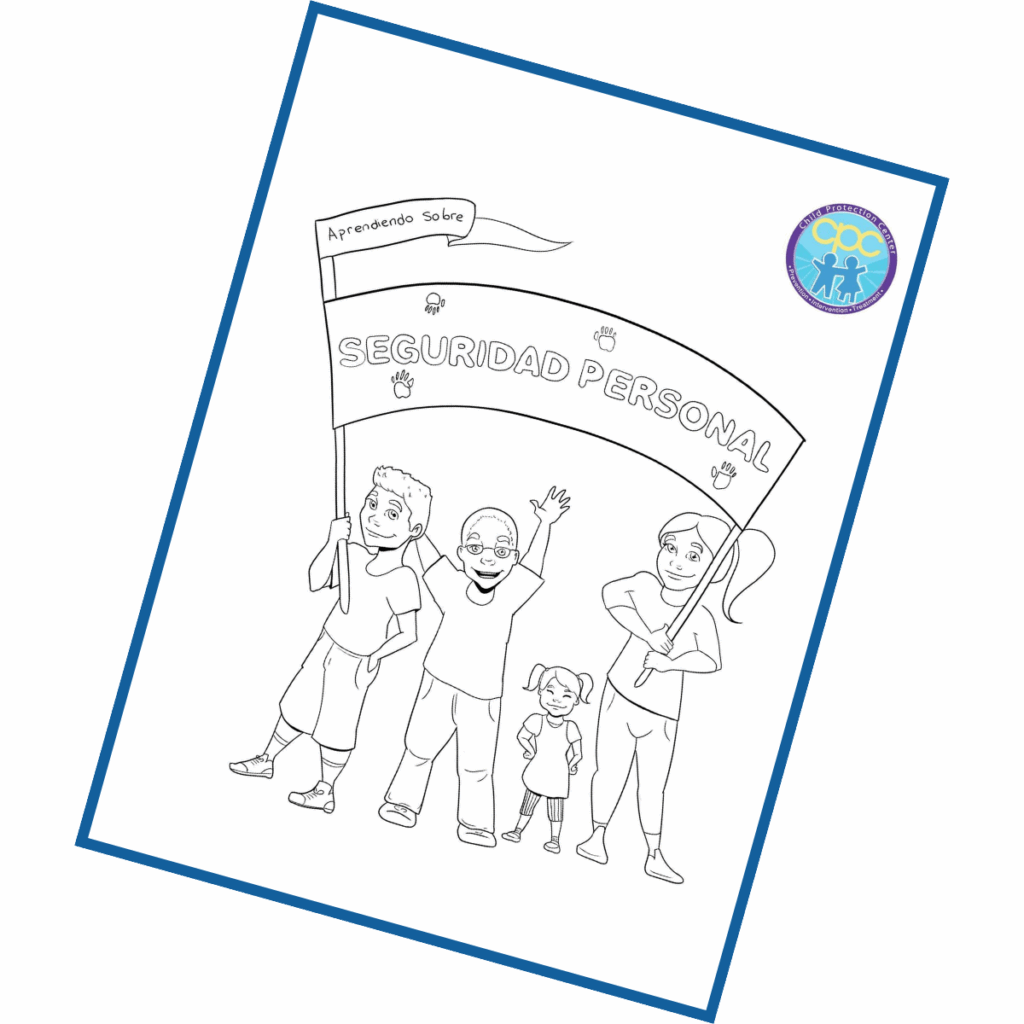
Further reinforce the Touching Rule with your children by printing out a Touching Rule coloring book, filling it in together, and looking through it often.

Teaching our kids the difference between secrets and surprises helps them to better understand boundaries, differentiate between appropriate and inappropriate behaviors, and makes them less vulnerable to grooming tactics.


A surprise is something that should be fun, happy, and temporary. There is an end date when the surprise will be shared. It is meant to make people feel good- like a gift or a surprise party!

A secret is something that is supposed to be kept hidden and never shared. Secrets exclude others and might make us or other people feel nervous, confused, sad, angry, embarrassed, or scared.
Explain that it is never okay for someone to tell them not to tell their parents and that they will never be in trouble for breaking a secret or promise when it makes them uncomfortable or involves unsafe touch.
You might be wondering… What about ‘good secrets’? Aren’t those safe and innocent?
Many adults give children ‘good secrets’ as special treats or to bend a family rule without getting in trouble.
“Don’t tell mom we ordered pizza when she was out of town!”
“Your parents don’t want you to see this movie, so let’s keep it as our little secret.”
“Don’t tell your parents I let you stay up late.”
While these scenarios are often done in innocence, they are still setting a risky precedent. Why we shouldn’t ask kids to keep ‘good secrets’:
- It reinforces that it’s okay to keep things from their parents.
- It makes it harder for kids to recognize when someone is asking them to hide something inappropriate.
- Offenders use ‘good secrets’ as a tactic to form a close bond with the child while testing them to see if they’re willing to hide things from their parents.
You and your child can take the quiz below to practice recognizing the difference between secrets and surprises!

A key factor in protecting kids from abuse is establishing a community of trusted adults they can turn to when they need help or feel unsafe.
Help your child identify three (or more!) trusted adults they know they can talk to about anything without being afraid of getting into trouble. If your child ever feels unsafe, uncomfortable, or if someone is making them promise to keep secrets from parents or teachers, they should go talk to your trusted adults- and keep telling until they’ve been helped and feel safe and secure.
We recommend having your child choose adults from different parts of their life/locations (school, church, dance class, neighbor, family member, etc.)
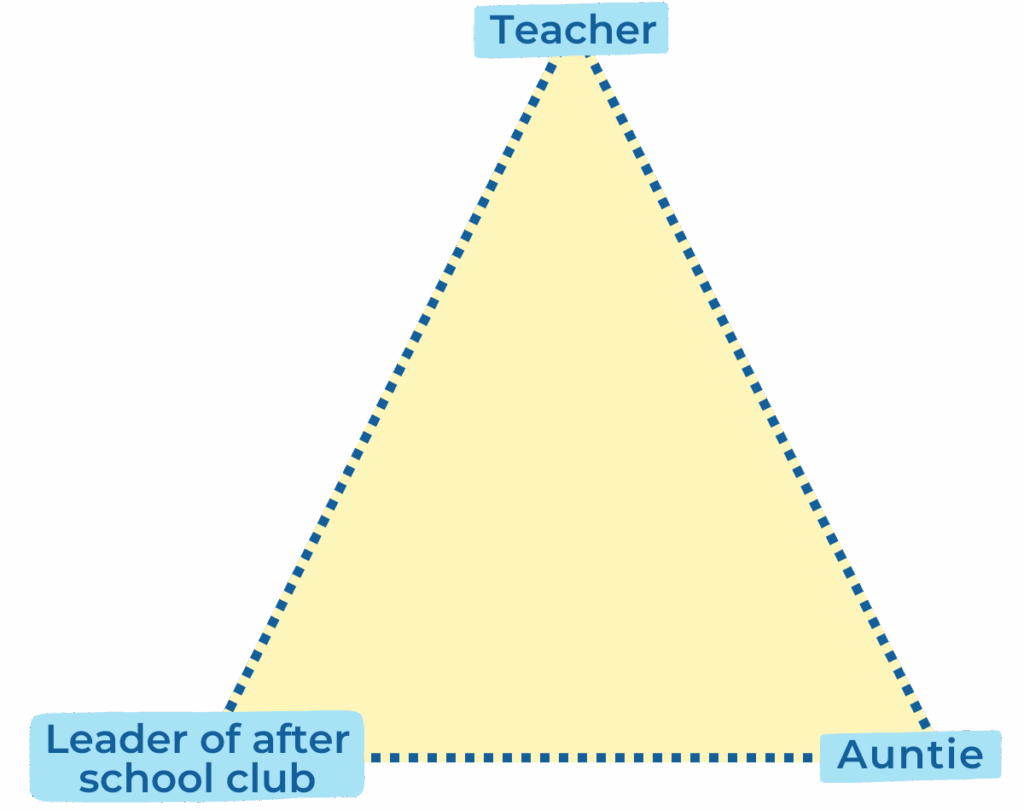
Talk through practice scenarios with your child and have them identify when they should talk to their trusted adults.
Trusted adults should be able to drive in the case of an emergency.
Review the names of their trusted adults and do practice scenarios often. This should be a frequent conversation.
According to the Children’s Hospital of Philadelphia (CHOP), “because an individual with intellectual and developmental disability may be perceived as an “easy target,” the likelihood of abuse is four to ten times higher than in typically developing peers. The abuse is more likely to occur repeatedly, over longer periods of time, and is presumed to be underrecognized and underreported.”

Keep reading for best practices in personal safety and abuse prevention from CHOP and the American Bar Association.
For additional resources and guidance, you may visit the Toolkit: Sexual Assault Awareness for People with Developmental Disabilities from Elevatus Training (a leading organization specializing in sexuality education and training for individuals with intellectual and developmental disabilities) and the Safer, Smarter Families: Family Safety Toolkit for Exceptionalities from Lauren’s Kids (a nonprofit that educates adults and children in sexual abuse prevention).